















Účinky
Immunity supportIncreased energy and vitalityAntioxidant protectionMuscle and bone supportTotal body balanceDesigned specifically for stronger antioxidant effects, better absorption and utilization, where the main role is played by rosehip, a natural source of vitamin C. Vitamin C known as ascorbic acid is a nutrient essential for the functioning of our body. Our body cannot synthesize this essential vitamin, so it must be obtained from foods such as fruits and vegetables like citrus fruits, cabbage, bell peppers, horseradish, broccoli, and tomatoes.
Vitamin C is thermolabile, meaning that incorrect storage and processing (like cooking) causes its degradation. Excess vitamin C is excreted in urine and is not stored by the body, which is why it needs to be replenished daily in proper amounts. Deficiency of ascorbic acid is especially prevalent among smokers, people who are cold, and those under stress. Citrus bioflavonoids are plant compounds that accompany C in nature, improving the absorption and utilization of vitamin C. They support its role in maintaining healthy collagen and cartilage for normal skin, gums, and immune function. Specific bioflavonoids include rutin, quercetin, citrin, and hesperidin. Rosehips (Rosa canina) contain extraordinarily high amounts of vitamin C, even more than citrus fruits, and were used historically to protect against scurvy. Once considered a garden waste without significant use, research has since shown that rosehips contain natural antioxidants and active compounds with health benefits.

Rosehips, as a natural source of vitamin C, are known for their anti-inflammatory effects. Wild rose species, including rosehips, are used to treat various health problems, with their effects based on their antioxidant properties (a result of their phytochemical composition). Interest in the medical use of rosehips has grown due to their potential in treating skin diseases, hepatotoxicity, kidney problems, diarrhea, inflammatory conditions, arthritis, diabetes, obesity, and even cancer. The reddish fruits of rosehips are most often used in dried form due to the limited shelf life of fresh ones, low storage stability, and acidic taste. They are valued for a variety of bioactive substances, including vitamin C (most in the peel), carotenoids, tocopherols, phenolic acids, flavonoids, proanthocyanidins, and tannins, as well as minerals such as calcium, phosphorus, potassium, pectin, and essential oils. Rosehips derive their color from pigments known as lycopene and beta-carotene. These pigments support skin and eye health. Rosehip seeds are high in polyunsaturated fats, which protect the skin from inflammatory compounds like UV rays, cigarette smoke, and pollution. The effect of tiliroside boosts fat metabolism, subsequently reducing abdominal fat, helping reduce signs of aging, lowering blood pressure, cholesterol, and pain from osteoarthritis. Due to their broad spectrum of beneficial effects, which include antimicrobial, anti-inflammatory, antiarthritic, analgesic, antidiabetic, immunosuppressive, cardioprotective, and gastroprotective properties, rosehips are often used to promote health and treat various ailments, including colds.
The uniqueness of vitamin C lies in its antioxidant power. “C” neutralizes free radicals, therefore protecting cells and helping slow aging. It boosts the immune system, supporting the activity of white blood cells and the production of antibodies, which is key for defense against infections. It supports the formation of collagen, which is foundational for healthy skin, vessels, and muscles, hence helping keep skin flexible and firm. It's needed for proper brain function and improves absorption of plant-based iron, subsequently contributing to the prevention of anemia.

... We don't always know exactly how much vitamin C we get from food, and our daily requirement is higher than any other water-soluble vitamin. Especially during illness and stress, the need for vitamin C increases several times over. With Dr. Lucullus and the dietary supplement Vitamin C + Rosehip + Bioflavonoids 800 mg you can safely rely on its effective supplementation. Since it is one of our most popular forms of vitamin C, where rosehip is a great example of using natural resources rich in bioactive compounds and ensuring health benefits.
Read the latest news about quality dietary supplements, vitamins, immunity, and health.

„Ashwa“ (horse) „gandha“ (root smell), the name itself points to the plant's ability to provide strength and vitality (animal strength hidden in the root). Known by names „Indian ginseng“ (similar root shape), also „winter cherry“ (fruits resemble cherries). From the small bush with yellow flowers, mainly the root is used in traditional medicine. Given its calming effects, it's appropriately named Withania somnifera, sleepy or dreamy. The Latin name somnifera also reveals its sleep-inducing property.

Reishi, a mushroom used for over 4000 years. The divine mushroom of immortality - in the past, it was believed to revive even the dead. It holds its significant place especially in Chinese medicine (under the name lingzhi), where it was mentioned in writing as early as 200 BC. Entire armies were designated to search for it, as the Chinese imperial court believed it could be used to concoct the elixir of immortality. The Slovak name might not tell you much - Leskokôrka brown-red, is actually a wood-decaying parasitic mushroom, living mostly on injured trees. It has a vast spectrum of biologically active substances. Its effects are also described in the professional encyclopedia Mushrooms as medicine.

You definitely know the feeling when you're in danger. A big dog jumped out from behind a fence, your boss scolded you in a meeting, or you have a mortgage payment due tomorrow and just got laid off. In such cases, the body produces the steroid hormone - cortisol. It has protected us for centuries in dangerous situations, preparing the body for 'fight or flight.' The heart races, blood flows to vital organs, and pain levels are suppressed... You might say - the most useful thing under the sun!

Up to 80% of immune cells reside in the intestines. Did this information surprise you too? The intestines and the balance of microbiota play a crucial role in the proper functioning of the immune system. The intestines support immunity in various ways and a balanced microbiome prevents harmful substances from entering the bloodstream and teaches immune cells to protect.

If you're active on social media, the term Milk Thistle is probably already familiar to you. It's a phenomenon of the year 2024, with adverts for this "miracle herb" everywhere. Unlike other dietary supplements, there is no one who doubts the effects of this plant. Opinions only differ on individual products and their processing methods. So what is the miracle of this thistle?

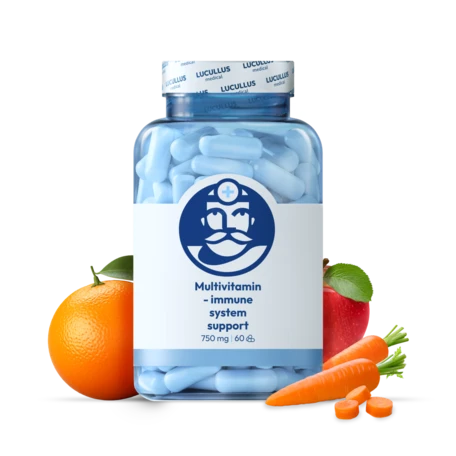
Immune support that contains the necessary vitamins and minerals in a daily dose. The weakened immune system deteriorates the quality of life by not being able to resist infections. The first symptoms of a weakened immune system may already be that you get infected at every opportunity, or frequently repeated use of antibiotics, increased fatigue, urinary tract infections, skin problems, headaches, and many others. Regular consumption of 15 vitamins/minerals in the multivitamin complex 𝒟𝓇. 𝐿𝓊𝒸𝓊𝓁𝓁𝓊𝓈 ensures everything your body needs, creates a shield for your health and well-being.
Účinky
Immunity supportIncreased energy and vitalityAntioxidant protectionMuscle and bone supportTotal body balance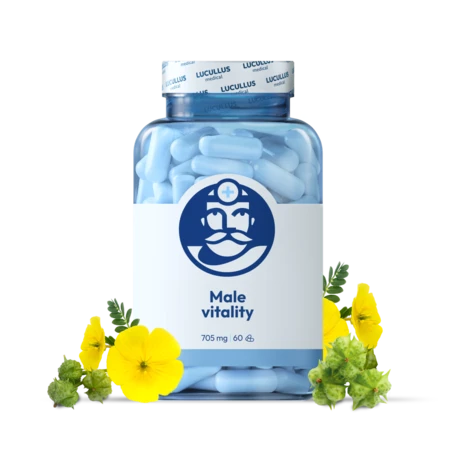
Účinky
Increased physical performance and enduranceHormonal balance and libido supportIncreased energy and staminaStress resilience and mental clarityComprehensive nutritional support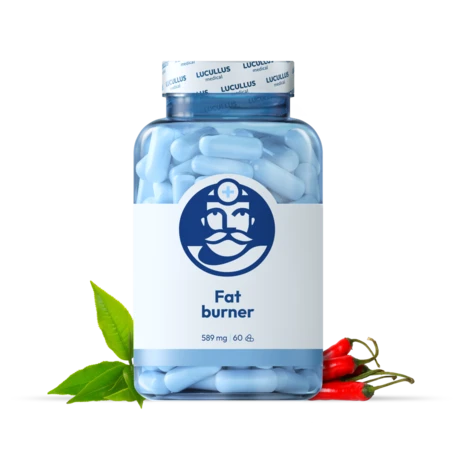
Účinky
Improved fat metabolismDetoxification and digestive healthNatural thermogenesisMood and cognitive function supportAppetite regulationNutrient absorptionIncrease in energySupport for thyroid function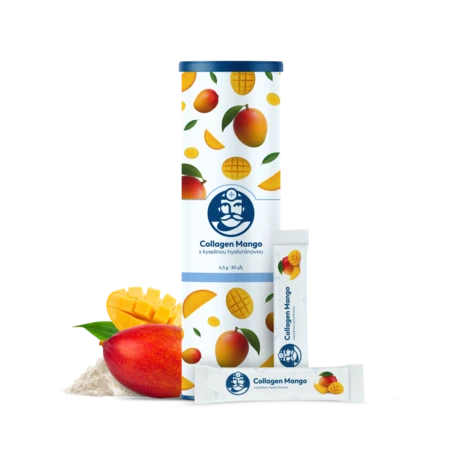
Účinky
Improvement of skin elasticityReduction of wrinkle visibilitySupport of skin hydrationImprovement of joint mobilityAntioxidant protection of cells